The promise behind producer only, and who is checking it
"Producer only" farmers markets set a high bar for trust. Shoppers expect every tomato, loaf, or cut of meat on display to come directly from the hands of the vendor behind the table. The value for customers is clear: fresh, local, genuine. For growers, it means a level playing field. No one undercuts another by reselling cheap wholesale goods.
But who checks that the promise holds? Most markets task their managers, board members, or a volunteer committee with inspections. Some larger associations rotate inspectors for fairness or bring in an outside contractor. No matter who does the job, the inspector stands as the last line between a producer-only claim and a market full of wholesalers.
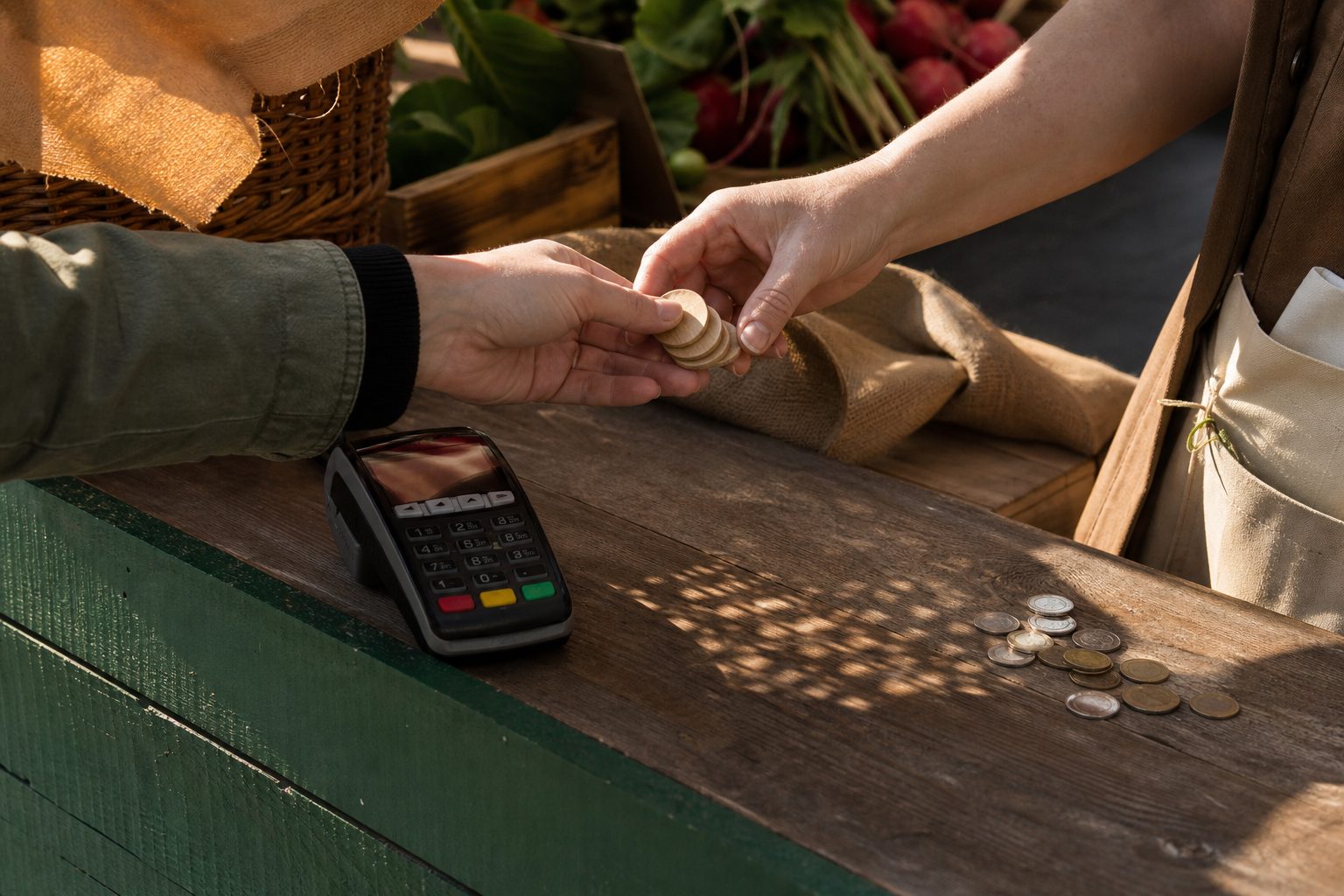
Keep reading: Cash, Cards and Tokens: Where Market Payments Are Headed
Scheduling a visit a working farm can absorb
Farmers do not work nine to five. Schedules run on weather, animal needs, and harvest cycles. Setting up an inspection starts with respect for the farm's rhythm. Most managers reach out by phone or email, proposing a few days or times. Busy periods like spring planting or peak harvest are tougher, but also the most telling.
Some markets require surprise visits, but more often, inspections are scheduled in advance. This gives the grower a chance to ensure someone is home and the inspector can see regular operations. It is good practice to confirm the visit a day or two ahead, and to ask if there are locked gates or dogs to consider.
Inspections can take anywhere from 30 minutes for a small urban plot to several hours for a diversified farm. Managers often combine multiple visits in one trip to save time and miles. If a farm is far outside the market's region, the inspector may check why and look for signs the grower is not local.
What to look at in the field, the greenhouse and the cooler
The field walk
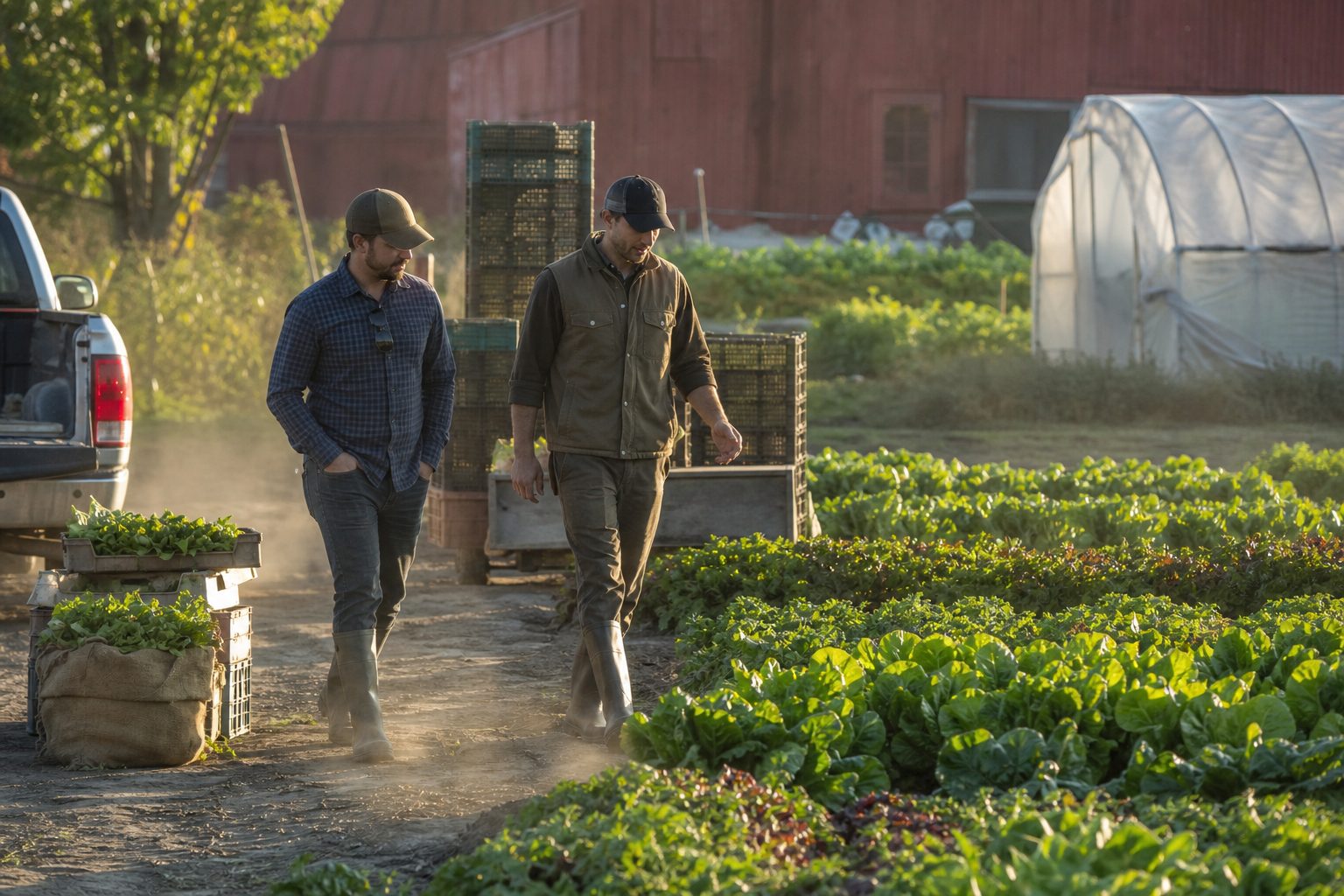
The heart of any inspection is the walk through the fields. Inspectors look for crops in the ground that match what vendors bring to market. Rows of leafy greens, trellised tomatoes, or a pumpkin patch should be easy to spot. A field with nothing but grass raises questions if a vendor claims to grow multiple vegetables.
Inspectors note the scale. A farm with two dozen tomato plants cannot supply crates each week. Planting density, irrigation lines, and tool sheds reveal whether the operation fits the vendor's claims. Some managers take photos or jot down rough plant counts.
Inside the greenhouse
Greenhouses extend the season. Inspectors look for seedlings, young plants, or early tomatoes in May. They check if the greenhouse is in use or just a prop. Stacks of bought-in flats can indicate resale, though some farms do buy starts for personal transplanting.
Cold storage and the cooler
Many farms have walk-in coolers or simple fridges. Inspectors check what is stored. Boxes labeled with other farm names are a warning sign. Lettuce harvested that morning, with roots and field soil, matches a producer's story. Large quantities of uniform produce, especially in commercial packaging, can suggest outside sourcing.
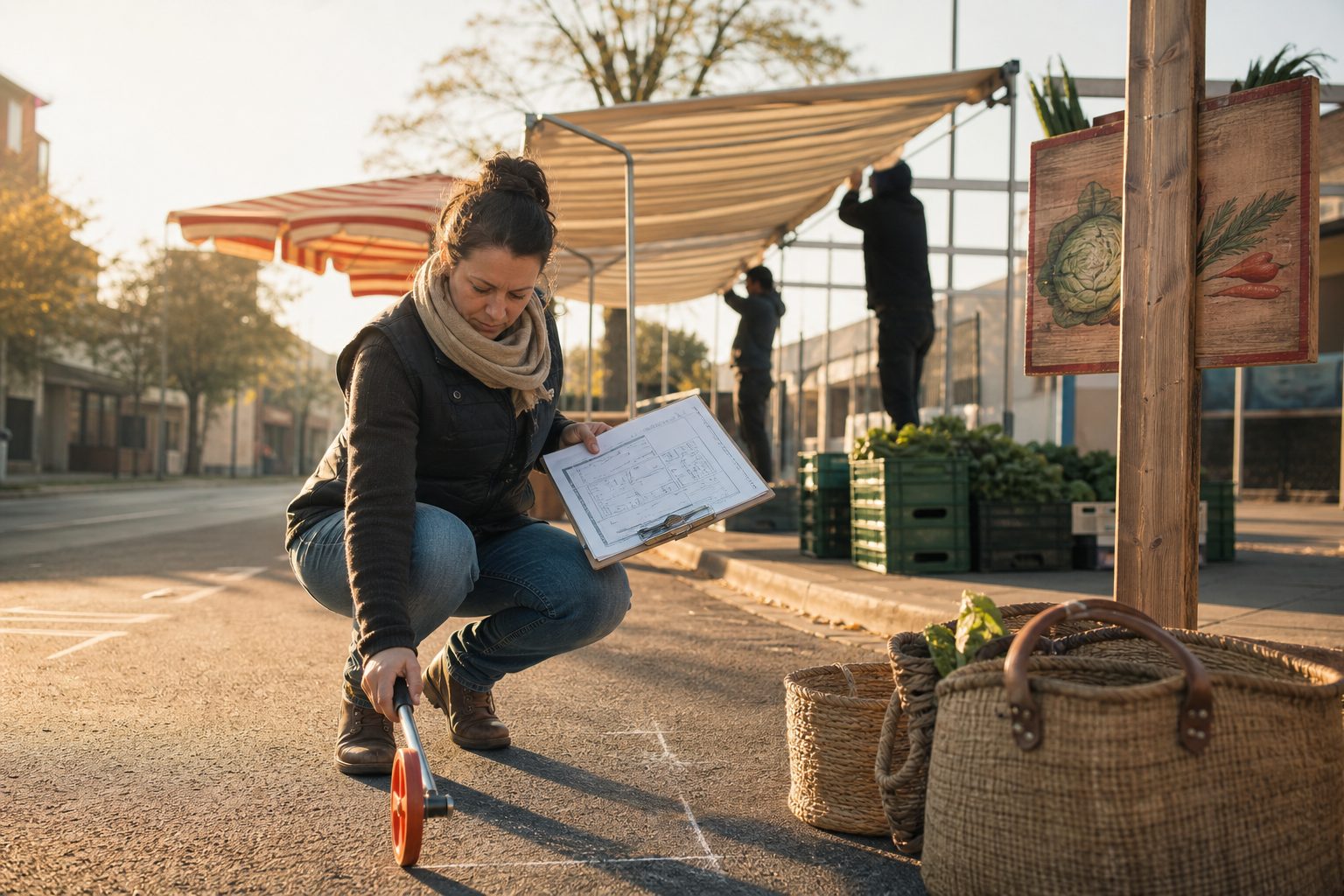
Keep reading: How to Build a Farmers Market Stall Map Before Load-In
Matching planting records to market day product lists
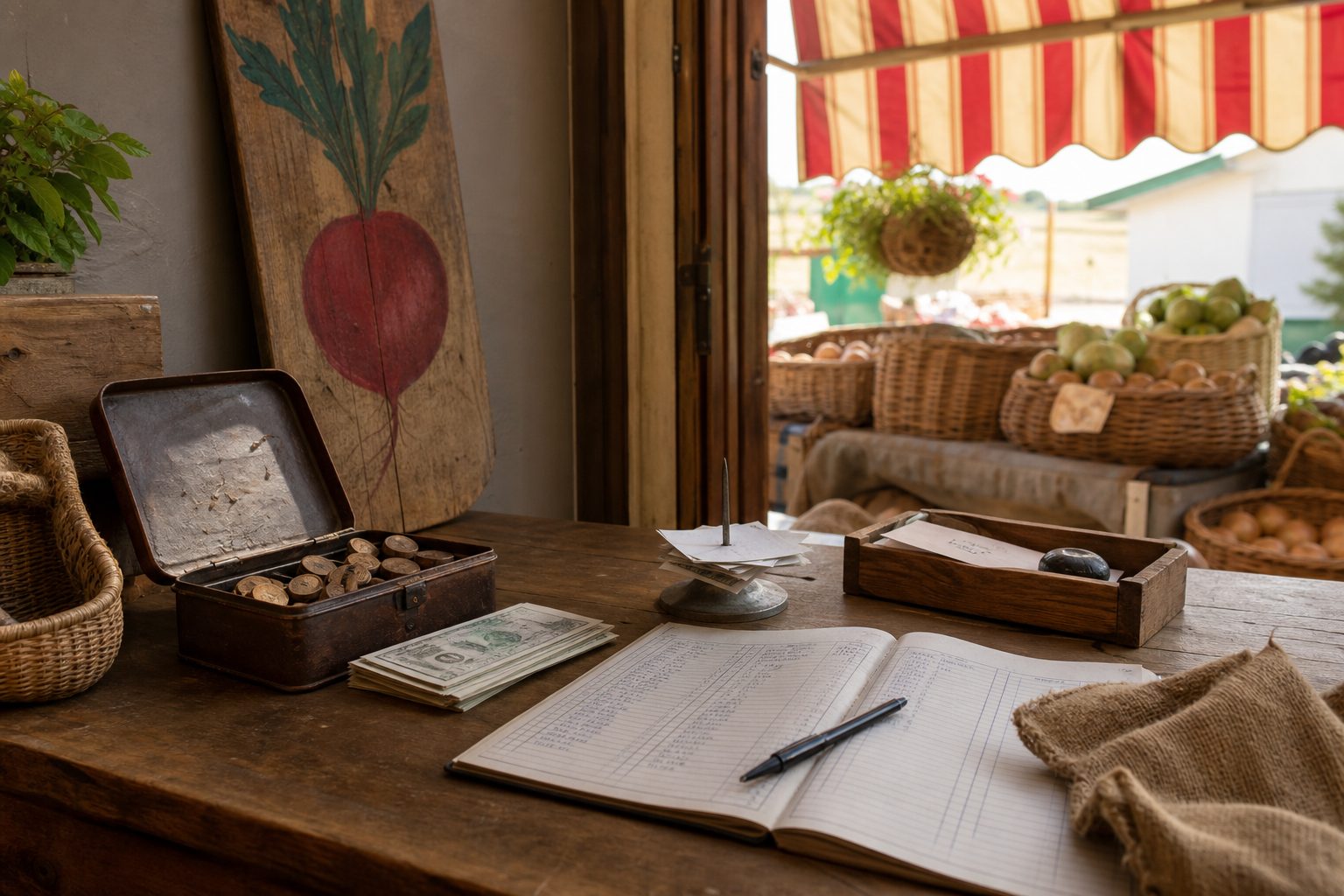
Most producer-only markets require vendors to keep planting or harvest records. Some use formal logs, others rely on seed order receipts or basic notebooks. Inspectors ask to see these records and compare them to what the vendor brings to market.
If a vendor's stall overflows with sweet corn but their records show only a small patch, questions arise. An inspector looks for consistency: Did the farm plant enough to supply the market dates? Are the crop varieties and harvest quantities plausible for the region and season? For livestock, birth records, feed invoices, or butchering dates help confirm provenance.
Digital tools can make this process smoother, letting inspectors upload photos or notes directly during the visit. Still, some managers work with paper and later type up their findings.
Resale, red flags and the wholesale case in the barn
Resale is the main risk for producer-only integrity. Some vendors supplement their own crops with bought-in goods, especially during slow periods. Inspectors keep an eye out for produce boxes from commercial suppliers, stickers from packing sheds, or unfamiliar varieties.
One common red flag is a vendor offering crops out of season: strawberries in late fall, tomatoes in winter. Another is uniform, waxed produce that looks different from the field-grown items nearby. If the barn holds cases of produce labeled with other farm names or packing house codes, the inspector asks for an explanation.
Not every anomaly is fraud. Some vendors trade with neighbors or buy in a small amount for their own use. The key is scale and disclosure. If most of what a vendor sells cannot be traced back to their own ground, the case for producer-only status weakens.
See how StallDeck handles this for farmers markets
Writing the visit up so the decision holds later
After the farm visit, the inspector's write-up becomes the official record. This document needs to be clear, factual, and specific. It should list what was seen: acres in production, types of crops, number of livestock, equipment present, and any storage. Photographs, where allowed, help back up the observations.
The report should reference the market's producer-only requirements and note any gaps or questions. If something was unclear or not available (such as missing harvest logs), the write-up should mention it. Inspectors avoid speculation and stick to facts: "No evidence of onions in the ground as of inspection date," or "Boxes labeled 'Coastal Produce' observed in cooler."
Strong paperwork makes the decision defensible if a vendor disputes the findings. Detailed records also help future inspectors track changes or spot evolving issues.
Telling a vendor they failed, and the appeal path
Delivering unwelcome news is part of the job. If the inspection finds a vendor does not meet producer-only standards, the manager must communicate this clearly and respectfully. Most markets do this in writing, outlining the specific reasons for the decision and referencing both the rules and the findings from the visit.
A well-structured appeal process protects both market integrity and vendor rights. Vendors are usually given a set window, often one to two weeks, to respond or provide additional documentation. Some markets allow a second inspection, a hearing before the board, or a review by a neutral party.
Clear documentation from the original visit simplifies the appeal. If the process is consistent and transparent, most vendors respect the outcome even if they disagree.
Building an inspection rotation you can actually staff
Regular inspections are critical, but few markets have the staff or budget for frequent visits to every vendor. Most markets prioritize new applicants, then rotate through established vendors every one to three years. Random spot checks can deter rule-breaking.
Some associations pool resources, sharing one inspector across several markets. A standardized checklist helps different inspectors look for the same things, making the process fair. Volunteer committees work for smaller markets, though they may need training to spot subtle signs of resale.
Tracking who was inspected, when, and what was found can get complicated as a market grows. Systems that track vendor assignments, stall history, and inspection dates in one place lighten the load for managers. By bringing together fee records, attendance, and public vendor listings, a tool designed for market management makes it easier to keep the producer-only promise strong year after year.